Recognizing the Foreign Earned Income Exemption and Its Impact on Your Typical Reduction
The Foreign Earned Income Exclusion (FEIE) provides significant advantages for expatriates, enabling them to omit a part of their foreign-earned income from united state taxation. Claiming the FEIE can make complex one's tax obligation circumstance, particularly pertaining to the typical reduction. Understanding this communication is crucial for individuals living abroad. As migrants navigate these complexities, they need to consider how their choices influence their total tax liability. What approaches can they use to maximize their financial outcomes?
What Is the Foreign Earned Revenue Exemption (FEIE)?
The Foreign Earned Income Exclusion (FEIE) functions as a crucial tax advantage for U.S. people and resident aliens working abroad. This stipulation enables eligible people to omit a considerable section of their foreign-earned revenue from U.S. taxation, efficiently decreasing their general tax concern. The FEIE aims to alleviate the monetary stress on expatriates and motivates Americans to go after employment possibility in international markets. The exclusion relates to incomes, wages, and expert costs earned while residing in a foreign nation. The optimal exclusion quantity is adjusted every year for inflation, making sure that it continues to be pertinent to current financial conditions. By using the FEIE, expatriates can preserve even more of their revenue, cultivating monetary stability while living overseas. Generally, the FEIE plays an essential role fit the economic landscape for Americans abroad, promoting a smoother shift to worldwide workplace and promoting economic interaction on a worldwide scale.
Eligibility Requirements for the FEIE
Eligibility for the Foreign Earned Revenue Exclusion (FEIE) rests upon conference specific criteria established by the Irs (IRS) Largely, individuals need to be U.S. residents or resident aliens who gain earnings while residing in a foreign nation. To qualify, they need to please one of 2 primary tests: the Physical Visibility Examination or the Bona Fide House Test.
The Physical Existence Test needs people to be literally present in a foreign nation for at least 330 full days within a 12-month period - FEIE Standard Deduction. Alternatively, the Bona Fide Home Examination necessitates that people develop residency in an international country for an undisturbed duration that includes an entire tax obligation year
Furthermore, the earnings must be originated from personal solutions executed in the international country. Satisfying these needs permits taxpayers to omit a substantial portion of their foreign-earned income from U.S. taxes, consequently decreasing their general tax obligation.
Exactly how to Claim the FEIE
To start the procedure, people must collect files that confirm their international incomes, such as pay stubs, income tax return from foreign countries, and any type of pertinent employment agreement. It is important to guarantee all earnings asserted under the FEIE is made from foreign resources and satisfies the called for limits.
Furthermore, taxpayers should think about filing target dates and any type of feasible extensions. Claiming the FEIE properly not only aids in reducing tax obligation obligation however likewise ensures compliance with internal revenue service guidelines. Correct paperwork and adherence to guidelines are essential for a successful insurance claim of the Foreign Earned Income Exclusion.
The Interaction In Between FEIE and Typical Deduction
The interaction in between the Foreign Earned Earnings Exemption (FEIE) and the conventional reduction is a vital facet of tax planning for migrants. Recognizing the fundamental concepts of FEIE, along with the restrictions of the conventional reduction, can significantly impact tax filing approaches. This area will discover these aspects and their implications for taxpayers living abroad.
FEIE Basics Discussed
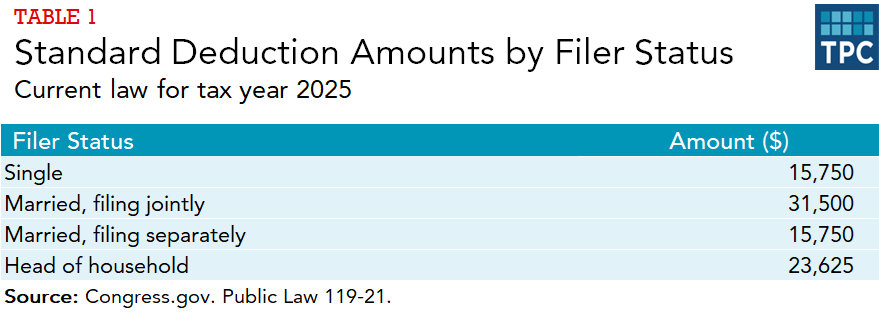
While many expatriates seek to decrease their tax obligation problem, recognizing the interaction in between the Foreign Earned Income Exemption (FEIE) and the standard reduction is necessary. The FEIE permits U.S. residents and resident aliens living abroad to exclude a certain amount of international made revenue from united state taxes. This exemption can significantly decrease gross income, potentially affecting qualification for other reductions, such as the basic reduction. Remarkably, individuals who claim the FEIE can not likewise take the conventional deduction versus the excluded income. As a result, expatriates must very carefully assess their overall income and deductions to enhance their tax situation. Understanding of these interactions can result in more enlightened economic choices and much better tax strategies for migrants guiding through their one-of-a-kind situations.
Criterion Reduction Limitations
Understanding the restrictions of the common reduction in regard to the Foreign Earned Income Exemption (FEIE) is vital for migrants navigating their tax obligation duties. While the FEIE enables qualifying individuals to omit a specific amount of foreign-earned revenue from united state taxes, it can affect the standard deduction they are qualified to claim. Especially, taxpayers that declare the FEIE can not additionally claim the common reduction on that omitted earnings. Furthermore, if an expatriate's overall revenue falls below the typical reduction threshold, they may not take advantage of it in all. This interaction necessitates mindful preparation to optimize tax obligation benefits, as underutilizing the standard reduction can bring about greater internet taxable revenue and raised tax obligation obligation. Understanding these restrictions is critical for effective tax obligation technique.
Tax Obligation Declaring Implications
Navigating the tax filing effects of the Foreign Earned Revenue Exclusion (FEIE) requires mindful factor to consider of exactly how it interacts with the common deduction. Taxpayers utilizing the FEIE can leave out a considerable part of their foreign-earned income, however this exemption impacts their qualification for the common reduction. Particularly, if a specific claims the FEIE, they can not likewise declare the conventional deduction for that revenue. This can lead to a reduced total tax obligation obligation but might make complex the filing procedure. Furthermore, taxpayers have to ensure compliance with IRS needs when find here filing Form 2555 for the FEIE. Recognizing these communications is crucial for enhancing tax benefits while avoiding potential challenges in the declaring process. Cautious planning can make the most of benefits and lessen obligations.
Potential Tax Obligation Implications of Making Use Of the FEIE
The Foreign Earned Income Exemption (FEIE) uses considerable tax obligation advantages for U.S. residents working abroad, however it additionally features potential effects that call for careful factor to consider. One major effect is the influence on qualification for particular tax obligation credit reports and reductions. By electing to use the FEIE, taxpayers might accidentally minimize their modified gross earnings, which can restrict access to credit ratings like the Earned Revenue Tax Debt or minimize the amount of typical reduction offered.
In addition, people who use the FEIE might encounter complications when returning to the U.S. tax obligation system, specifically worrying the taxation of future income. The exclusion uses only to made income, indicating other income kinds, such as dividends or interest, stay taxed. This difference demands careful record-keeping to assure compliance. Ultimately, the FEIE may impact state tax obligation commitments, as some states do not recognize the exclusion and may tax all income earned by their locals, no matter where it is gained.
Tips for Optimizing Your Tax Obligation Benefits While Abroad
While working abroad can be improving, it also offers one-of-a-kind possibilities to optimize tax obligation benefits. To make best use of these benefits, individuals ought to first determine their qualification for the Foreign Earned Earnings Exclusion (FEIE) and think about the physical presence test or the authentic home test. Maintaining thorough documents of all earnings earned and expenses sustained while overseas is vital. This paperwork supports claims for credit histories and deductions.
Furthermore, comprehending the tax obligation treaties between the United States and the host country can aid avoid dual tax. People must also discover contributions to tax-advantaged accounts, such as Individual retirement accounts, which may provide further reductions.

Lastly, getting in touch with a tax professional focusing on expatriate tax obligation regulation can supply customized methods and guarantee conformity with both U.S. and international tax commitments. By taking these steps, expatriates can properly enhance their monetary circumstance while living abroad.
Regularly Asked Concerns
Can I Make Use Of FEIE if I Help an International Government?
Yes, a person can make use of the Foreign Earned Revenue Exclusion (FEIE) while benefiting an international government, provided they satisfy the requisite problems described by the IRS, including the physical existence or bona fide house tests.
Does FEIE Use to Self-Employment Revenue?
The Foreign Earned Earnings Exemption (FEIE) does use to self-employment revenue, supplied the private fulfills the required demands. Eligible self-employed people can leave out qualifying income earned while staying in a foreign nation from tax.
What if My International Earnings Goes Beyond the FEIE Restriction?
If foreign income goes this link beyond the FEIE limit, the excess amount might be subject to united state taxation. Taxpayers should report and pay tax obligations on the income over the exemption threshold while still profiting from the exclusion.
Can I Assert the FEIE and Itemize Reductions?
Yes, individuals can declare the Foreign Earned Income Exemption (FEIE) while likewise making a list of deductions. Nonetheless, they need to know that asserting the FEIE might affect the availability of particular itemized reductions on their income tax return.
Just How Does FEIE Impact My State Tax Obligations?
The Foreign Earned Income Exclusion can decrease state tax responsibilities, as lots of states adhere to government standards. Individual state rules differ, so it's crucial to get in touch with state tax obligation laws for details ramifications on tax obligations.
The Foreign Earned Earnings Exemption (FEIE) uses considerable benefits for migrants, permitting them to exclude a section of their foreign-earned income from United state taxes. While lots of migrants seek to lower their tax problem, comprehending the interaction between the Foreign Earned Revenue Exemption (FEIE) and the basic reduction is essential. Comprehending the restrictions of the common deduction in relationship to the Foreign Earned Earnings Exemption (FEIE) is essential for expatriates steering their tax obligations. The exemption uses just to gained earnings, indicating other revenue kinds, such as dividends or rate of interest, stay taxed. The Foreign Earned Revenue Exclusion (FEIE) does apply to self-employment earnings, gave the individual meets the required needs.